UK Gambling Commission Eyes Crypto Payments to Combat Illegal Operators, Announces Major Funding Boost
UK Gambling Commission Eyes Crypto Payments to Combat Illegal Operators, Announces Major Funding Boost

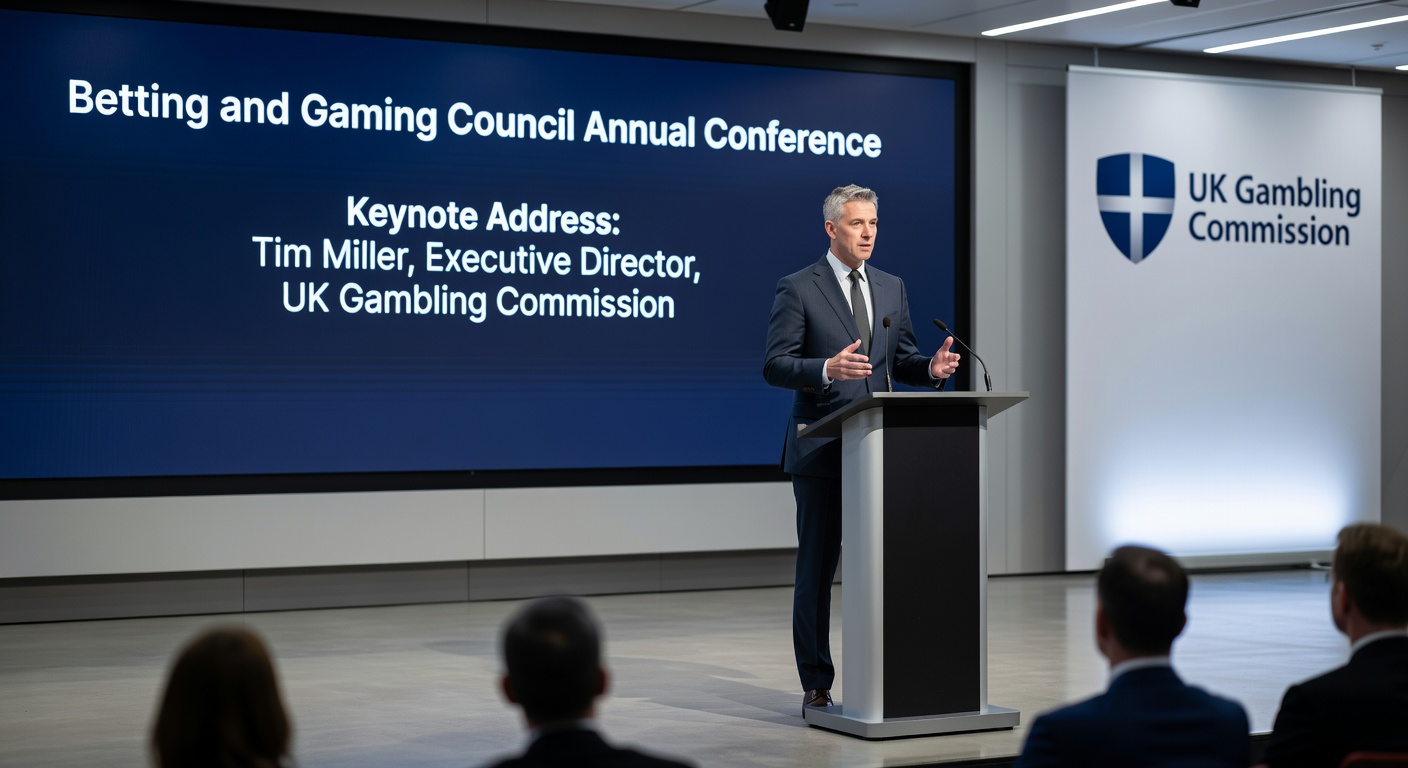
Tim Miller, Executive Director of the UK Gambling Commission, delivered a key speech at the Betting and Gaming Council (BGC) Annual General Meeting in March 2026, where he outlined several strategic moves aimed at strengthening the regulated gambling sector while tackling persistent challenges from illegal markets. Research indicates that searches for cryptocurrencies often direct users toward unlicensed gambling sites, a trend the Commission now seeks to address by exploring crypto as a legitimate payment option for licensed operators; this approach, Miller explained, could pull players back into safer, regulated environments rather than letting them drift to shadowy offshore platforms.
What's interesting here is how the Commission positions this exploration not as a blanket endorsement of crypto, but as a targeted response to data showing illegal operators exploiting digital currencies to evade oversight, with figures from recent studies revealing that a significant portion of crypto-related gambling queries end up on non-compliant sites. Miller emphasized that licensed operators adopting such innovations under strict rules would enhance consumer protection, since regulated entities already adhere to rigorous standards on fairness, responsible gambling, and anti-money laundering.
Crypto Exploration: A Strategic Pivot Against Illegal Markets
The Commission's consideration of cryptocurrency payments marks a notable shift, driven by evidence that illegal gambling thrives on crypto's anonymity and speed; observers note how unlicensed sites lure UK players with promises of unrestricted access, often bypassing tools like GamStop self-exclusion. According to the speech transcript, Miller highlighted research linking crypto searches directly to these rogue operators, suggesting that allowing regulated use of digital assets could disrupt that pipeline while keeping innovation within bounds.
But here's the thing: this isn't about rushing into uncharted territory; the Commission plans a measured evaluation, weighing benefits like market competitiveness against risks such as volatility and potential for harm, all while ensuring any approvals come with enhanced monitoring and player safeguards. Experts who've studied similar moves in other jurisdictions point out that regulated crypto integration has, in some cases, boosted compliance rates by offering familiar payment methods on trusted platforms.
Take one scenario researchers have mapped: a player searching for "Bitcoin casino" typically lands on unlicensed domains hosted offshore, where there's no recourse for disputes or addiction support; by contrast, licensed sites with crypto options would integrate seamlessly with existing protections, including deposit limits and reality checks. Miller's address underscored this logic, positioning crypto as a tool to reclaim territory lost to the black market.
New £26 Million Funding Injection for Enforcement
Adding firepower to these efforts, Miller announced £26 million in funding from HM Treasury, allocated over three years specifically to ramp up enforcement against illegal gambling; this cash infusion, he noted, will support expanded investigations, prosecutions, and technological upgrades to track down operators flouting UK laws. Data from prior years shows illegal gambling costing the economy millions in lost taxes and harming players through unfair practices, so this funding arrives at a critical juncture.
Now, with resources in hand, the Commission can pursue high-impact operations targeting networks that advertise aggressively on social media or via affiliate schemes; those who've followed enforcement patterns know that sustained pressure often leads to site shutdowns and asset freezes, deterring would-be violators. Miller detailed how the funds will bolster teams handling complex cases involving crypto laundering or cross-border evasion, making it tougher for illegal players to operate under the radar.
Collaborations with Tech Platforms to Curb Rogue Promotions
Collaboration forms another pillar of the strategy, as Miller praised ongoing work with platforms like Meta to clamp down on "not on GamStop" promotions that funnel vulnerable players to unlicensed sites; these ads, often disguised as helpful alternatives, exploit self-excluders seeking ways around their commitments, with research indicating they proliferate on social feeds and search results. By partnering with tech giants, the Commission gains leverage to remove such content swiftly, protecting users who might otherwise stumble into high-risk environments.
Turns out, these joint efforts have already yielded results in takedown numbers, although challenges persist due to the sheer volume of global content; Miller's speech highlighted specific initiatives where Meta's algorithms now flag and demote suspicious gambling promotions originating from illegal sources. People familiar with the landscape observe that such partnerships extend beyond removal to education, with platforms prompted to promote licensed operators instead.
DCMS Consultation on Raising Licence Fees
To sustain heightened regulatory activities, a DCMS consultation proposes lifting licence fees from 0.21% to 0.28% of Gross Gambling Yield (GGY), a move Miller framed as essential for matching the scale of threats like illegal crypto markets; figures from industry reports show GGY growth outpacing regulatory budgets, leaving gaps in oversight that savvy operators exploit. This adjustment, if approved, would generate additional revenue without overhauling the system, channeling funds directly into enforcement and innovation reviews.
Stakeholders note the proposal's timing aligns with rising compliance demands, including new affordability checks and stake limits, which require more staff and tech; one analysis of similar fee hikes elsewhere revealed they enabled faster adaptation to digital shifts, like crypto integration, without burdening taxpayers unduly. Miller stressed that higher fees reflect the value of operating in a regulated space, where consumer trust translates to long-term stability.
Praise for Regulated Innovations Like Physical Sports Books
Amid the focus on challenges, Miller spotlighted positive developments within the regulated sector, such as physical sports books in casinos exemplified by Paddy’s at the Hippodrome; these venues blend traditional betting with modern amenities, drawing crowds to licensed environments while offering immersive experiences like live screens and expert staff. Observers point out how such innovations counter online-only illegal sites by providing tangible security and social elements, with attendance data showing upticks at hybrid casino-sportsbook locations.
It's noteworthy that these setups comply fully with UK standards, including age verification and responsible gambling signage, setting them apart from unregulated pop-ups or apps; researchers who've tracked footfall metrics find that physical innovations like Paddy’s boost overall industry health by retaining spend within the taxed, protected ecosystem. Miller's endorsement signals Commission support for operators evolving in step with consumer preferences, provided they maintain high standards.
And while digital threats loom large, these real-world examples demonstrate how regulated businesses can innovate proactively; take the Hippodrome case, where integration of sports betting has not only increased visits but also integrated self-exclusion seamlessly across land-based and online arms.
Broader Context and Ongoing Developments
The speech arrives against a backdrop of intensified scrutiny on gambling's digital frontier, where crypto's rise intersects with enforcement gaps; studies commissioned by the Commission reveal that illegal market share hovers around key percentages tied to payment anonymity, underscoring the urgency of Miller's proposals. Yet, with funding secured and consultations underway, the regulated sector gains tools to fight back effectively.
Collaborations extend to other fronts too, like intelligence-sharing with payment providers to block transactions to rogue sites, a tactic that's frozen assets in past operations; those monitoring trends see this as part of a multi-layered defense, combining tech, policy, and partnerships.

So, as March 2026 unfolds, the industry's trajectory hinges on these interconnected initiatives; crypto exploration could redefine payments, funding will sharpen enforcement teeth, and fee tweaks ensure sustainability, all while innovations like sports books keep the regulated market vibrant.
Conclusion
Tim Miller's BGC AGM address lays out a comprehensive roadmap for the UK Gambling Commission, blending defensive measures against illegal operators with forward-looking adaptations like crypto payments and innovation support; backed by £26 million in Treasury funding, collaborations with